Baking Soda Toothpaste Side Effects
An Italian study from 2014 shows that baking soda can be used as a promising means to control the growth of tumor that also prevents the cancer cells from spreading to other organs.Another research at the Moffitt Cancer Center in Tampa, Florida shows that the alkalizing effect of baking soda on the pH of the body may play an important role in slowing down cancer cell activity.The U.S. National Health Institute conducted a study that brought the effectiveness of sodium bicarbonate in treating kidney disease to the forefront. It showed that sodium carbonate dialysis is more effective compared to normal dialysis and patients on the sodium bicarbonate dialysis treatment showed higher nitrate oxide synthase, the process which balances the pH of the blood.In this article, we have put together all the research-backed benefits of baking soda along with the recommended dosage of baking soda and cautions of using it. What is Baking Soda?Baking soda is 100% sodium bicarbonate (NaHCO3) that is popularly used as a raising agent in baking products.
When baking soda is mixed with an acid it reacts by producing bubbles and giving of carbon dioxide which makes the dough rise.Baking soda is known as nahcolite in its natural form and it is part of the mineral natron which also contains huge amounts of sodium bicarbonate. Natron has been used throughout history as a form of baking soda for preparing breads.Sodium bicarbonate is used by the human body to regulate the pH of the blood and counterbalance acid build up, which is crucial for life. It balances the pH of the cells and tissues and increases CO2 level that supports oxygenation. Properties of Baking Soda:Neutralizer – This is perhaps the most beneficial property of baking soda. It helps to maintain the acid-base balance in the body. 7 is the neutral zone of the pH. When pH values move too far in either direction the human health is affected.
Sodium bicarbonate helps to maintain the pH at the neutral zone.Antiseptic – Sodium bicarbonate is a potent antiseptic that is used to treat insect bites, cuts and burns and relieve chronic cold, cough and sore throat. It prevents infection by destroying certain types of bacteria, fungi, molds and parasites.Antacid – Baking soda is an effective antacid that neutralizes the acids in the stomach and helps to relieve chronic heartburn and acid reflux. Gulping down a glass of baking soda water helps to neutralize the stomach acid that backs up to the throat at times. It eases the burning sensation in the esophagus and reduces bloating and flatulence. 12 Uses and Benefits of Baking Soda: 1. Treating Kidney DiseaseSodium bicarbonate is an alkaline substance that is produced by the body itself to maintain the pH of the blood and counteract the acids. Poorly functioning kidneys caused by diabetes or hypertension face difficulty in removing acids from the body which often leads to a condition known as metabolic acidosis.
But sodium bicarbonate promotes nitrate oxide synthase that helps to balance the pH of the blood. Sodium bicarbonate intake slows down the progress of chronic kidney disease and reverses the onset of kidney failure.In a study, British researchers treated patients with kidney disease and metabolic acidosis with oral sodium bicarbonate along with their usual treatment. It was seen that sodium bicarbonate slowed down the rate of decline of kidney function by 2/3rds. Cancer PreventionUnhealthy organisms flourish when there is pH imbalance in the body and these organisms damage the organs and tissues and slow down the immune system.
Research shows that Consuming baking soda increases the pH of the acidic tumors without changing the pH balance of healthy tissues and blood. Research of human cancer show that oral intake of sodium bicarbonate makes the tumor more alkaline and stops metastasis. Baking soda consumption acts as a source of immune support for people suffering from cancer. Relieve Indigestion and Acid RefluxBaking soda mixed with water is an effective natural substitute for over-the-counter antacids that helps to treat indigestion, GERD, ulcer pain, acid reflux and heartburn.
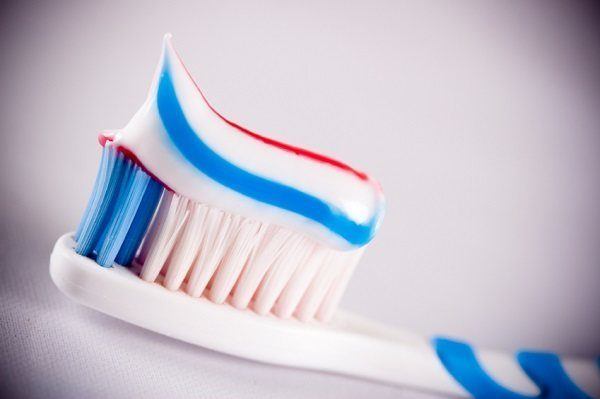
Baking soda shows immediate effect by neutralizing the stomach acids. Just add 1/2 teaspoon of baking soda to a cup of water and drink it an hour after a heavy meal to get instant relief from indigestion. Improved Oral HealthThe mild abrasive action of baking soda helps to remove plaque and protects the teeth enamel from corrosive food ingredeints such as lemon juice. No wonder baking soda is widely used as an active ingredient in toothpastes and mouth wash.
It also helps to polish your teeth and deodorize your breath. The antibacterial activity helps to destroy the Streptococcus mutans bacteria, which causes tooth decay.You can prepare your very own baking soda toothpaste by mixing 6 parts of baking soda with 1 part of sea salt. Blend this mixture for 30 seconds and store it in a container. Use it to massage your teeth and gum once every day. Improved Athletic PerformanceNot many of us now that baking soda is a powerful performance supplement which improves your athletic performance. It works by absorbing the lactic acid that builds up in the muscles during intense endurance exercise which delays fatigue. This effect is known as the ergogenic effect of baking soda.
Simple baking soda induces alkalosis, which is a opposite of acidosis. Baking soda reduces the acidity of the blood and normalizes the cellular tissues. Just consume 0.3 gram of baking soda dissolved in a glass of water or sweetened fluid before hitting the gym. Treat Cold and FluAs early as the early 1900’s Dr.Cheney found that baking soda (sodium bicarbonate) can reduce the risk of contracting flu and administering generous doses of baking soda can cure the symptoms within 36 hours.
Baking soda also reduces the duration of cold and flu. Baking soda dissolves the thick mucous and soothes the inflamed mucous membranes. The alkalizing effect of baking soda on the body creates an unfavorable environment for the bacteria to thrive. Take 1/2 teaspoon of baking soda mixed with a glass of cold water 5 to 6 times a day, at 2-hour intervals for 2 to 3 days.
Minimize Sore ThroatThe potent antiseptic and antibacterial effects of baking soda helps to cure painful sore throat. Gargling with baking soda water kills the bacteria and fungi that cause infection and lead to sore throat.
The slightly alkaline nature of baking soda also soothes the swollen and inflamed tissues of the throat and reduces throat irritation. Add 1/2 teaspoon each of baking soda and salt in a glass of warm water and use to gargle your throat 2 times a day till the pain and irritation subsides. Cure Urinary Tract Infection (UTI)Urinary tract infections are the most common bacterial infection that can affect both men and women, but it is more prevalent among women. Urinary tract infections can affect the bladder, kidneys, urethra and ureters.
Combination of baking soda and water can help to ease some of the symptoms of urinary tract infection such as pain, burning sensation during urination and reducing frequent urge to urinate. Baking soda works by raising the acid-base balance of urine and neutralizing the acidity in the urine. Add 1 teaspoon of baking soda to 1 cup of cold water, thoroughly mix the baking soda and drink it once every day till the infection is cured.
Heal GoutGout is a type of arthritis which is caused due to excess accumulation of uric acid in your blood, tissues and urine. Oral intake of bicarbonate of soda balances the acid level in the blood, relieves acidosis and balances pH of the body which helps to treat gout.
When the pH of the urine is less acidic, it converts uric acid into a more soluble form which makes it easier for the body to flush out the excess acid. It is best to consume baking soda with water when using it as a preventive measure against gout attack. Mix 1/4 teaspoon of baking soda with 8 oz.
Water and drink it 4 times a day to reduce the symptoms of gout. Balance the pH LevelThis is perhaps the most important benefit of. Most of us don’t give much important to the acid-alkaline balance of our body, but unbalanced pH can turn your body into a breeding ground for disease-causing organisms that damage the organs and tissues and suppress the immune system. PH is measure on a scale from 0 to 14. Acidic solution have pH lower than 7 and alkaline solutions have pH higher than 7. PH 7 is perfectly neutral.
A slightly alkaline pH is healthiest for the human body. Optimal pH of the human body should be 7.365.Highly alkaline nature of baking soda balances the pH of the body and reduces acidosis naturally. Just mix 1/3 teaspoon of baking soda with 2 tablespoons of lemon juice or apple cider vinegar, add it to 8 oz.
Baking Soda Toothpaste Benefits
Of water, mix well and drink it. Hair CareBaking soda is an effective hair cleaner that can be added to your shampoo to get rid of the accumulation of hair products, dirt, dandruff and oil. It also helps to get rid of the dullness and discoloration of hair caused by the chlorine deposition from swimming pools. Add a teaspoon of baking soda to your regular shampoo and use it to wash your hair and scalp 2 to 3 times a week.
Dermatological ConditionsBaking soda is used to treat a wide range of dermatological conditions ranging from itching skin, eczema and sunburn to insect bites. The mild abrasive nature of baking soda makes it an effective face exfoliator that can remove dry and dead skin cells from your face. The anti-inflammatory, anti-bacterial and antiseptic properties of baking soda helps to relieve skin itching and irritation caused by allergic rashes, sunburn, poison ivy or poison oak. Recommended Dosage of Baking Soda:There are different ways to take baking soda for your health.For restoring the body’s pH – First of all you need to measure the pH of your saliva and urine using litmus paper for a few days to determine how acidic you body is. Take the litmus paper test for your urine and saliva every morning for 1 week and track your results. If your pH is consistently lower than 6.0 then you can use baking soda to bring it to healthy levels. Too much baking soda can disrupt the body’s acid-base balance and cause nausea, diarrhea, stomach cramps and increase thirst.
Baking soda has high sodium content and high doses can raise blood pressure, swelling and lead to overload circulation and heart failure. Baking soda breaks down into sodium ions in the body. It is an electrolyte that can have serious impact on the body. In excess quantity, it can disrupt the activity of the muscles, heart and brain. High doses ranging from quarter of a box to more than a full box caused seizures, chest pain, muscle pain, abdominal pain and other serious health conditions.
Consumption of baking soda is considered unsafe for people with liver disease, high blood pressure, kidney disease. Pregnant and breastfeeding women and children under 5 years of age should also refrain from consuming baking soda.Baking soda shows effectiveness when it is used for short periods of time. It is best to refrain from using baking soda for prolong period of time because it can dry out your skin and hair. Also, chronic diseases and conditions should not be treated with baking soda.
Another important thing to remember is that baking soda and baking powder are not the same and they are not substitutes. So, do not confuse them while using. Hi everyone, this is Rajee!I live the beautiful city of Baltimore, where my husband works.I’m from India. I have been visiting India on and off for past few years and my mom was an inspiration for me to start this site. She has a wealth of knowledge on home remedies for a large number of health problems, and we grew up in an environment where frequent visits to the doctor just wasn’t logistically or financially feasible.Despite this, she managed to raise a family of healthy kids, and my goal here at Home Remedies for Life is to pass on some of her knowledge of natural remedies.
Check with your doctor as soon as possible if any of the following side effects occur while taking sodium bicarbonate:. Frequent urge to urinate. (continuing). loss of appetite (continuing). mood or mental changes.
muscle pain or twitching. or. nervousness or restlessness. slow breathing. swelling of feet or lower legs. unpleasant taste. unusual tiredness or weaknessSome side effects of sodium bicarbonate may occur that usually do not need medical attention.
These side effects may go away during treatment as your body adjusts to the medicine. Also, your health care professional may be able to tell you about ways to prevent or reduce some of these side effects.

Check with your health care professional if any of the following side effects continue or are bothersome or if you have any questions about them: Less Common. Increased thirst. stomach crampsFor Healthcare ProfessionalsApplies to sodium bicarbonate: compounding powder, intravenous solution, oral tablet MetabolicChronic ingestion of bicarbonate may rarely cause intravascular volume expansion with resultant hyporeninemia and hypoaldosteronemia.
In this rare circumstance, the serum potassium may be elevated.Rare cases of sodium bicarbonate abuse have been associated with features of Munchausen syndrome. These patients often present with an otherwise unexplained hypokalemic hypochloremic.may cause water retention, weight gain, and, which may be important in some patients with congestive, renal insufficiency, or severe. Metabolic side effects have included metabolic, hypernatremia/hyperosmolarity, hypochloremia,. These effects have been associated with rapid or prolonged administration. Side effects have rarely included intravascular volume expansion with resultant hyporeninemia and hypoaldosteronemia. RespiratoryThe respiratory drive may be suppressed after bicarbonate administration due to increased venous C02 concentration. Without adequate ventilation, worsened systemic acidosis could develop.
Respiratory side effects have included suppressed respiratory drive. Nervous systemRapid infusion of hyperosmolar sodium bicarbonate has been associated with intraventricular hemorrhage in the pediatric literature.Irritability and tetany have been associated with sodium bicarbonate-induced alkalosis or hypernatremia.Due to greater permeability of the blood-brain barrier to hydrogen than to bicarbonate, the pH of cerebrospinal fluid may significantly decrease during sodium bicarbonate administration, which can cause mental stupor or coma.
Nervous system side effects have included irritability, tetany, mental stupor, coma, and intraventricular hemorrhage. LocalLocal side effects have included IV site pain, venous irritation, and extravasation., tissue necrosis, ulceration, or skin sloughing have possibly been the result of extravasation. A slow rate of administration of a properly diluted solution into a large bore needle and vein is recommended if IV administration is necessary. CardiovascularCardiovascular side effects have included decreased cardiac contractility possibly resulting from infusion of sodium bicarbonate in patients with severe acidosis. Experimentally, the administration of intravenous hypertonic sodium bicarbonate has been associated with increased serum osmolality, decreased ionized serum calcium (which is associated with decreased myocardial contractility), and peripheral vasodilation. Some experts recommend invasive hemodynamic monitoring in acidotic patients before the administration of bicarbonate. GastrointestinalGastrointestinal side effects associated with oral administration have rarely included gastric rupture.
As an antacid, sodium bicarbonate, especially after excess food or liquid, can cause excess gas release (when combined with gastric acid). The mortality associated with gastric rupture is as high as 65%. RenalUrinary alkalinization from bicarbonate can cause a falsely positive colorimetric assay for protein. Renal side effects have rarely included 'False proteinuria'. Hazard PB, Griffin JP 'Sodium bicarbonate in the management of systemic acidosis.' South Med J 73 (1980): 132. Kennedy S 'Sodium bicarbonate abuse in anorexia nervosa.'
J Clin Psychiatry 49 (1988): 1683. Cooper DJ, Walley KR, Wiggs BR, Russell JA 'Bicarbonate does not improve hemodynamics in critically ill patients who have lactic acidosisis.' Ann Intern Med 112 (1990): 492-84. Wu DJ, Mifune J, Taga K, Hifumi S, Takahashi Y, Yamashida S, Nishioka S, Murakami T, Tanaka T 'Anginal attack following a sodium bicarbonate and hydrocortisone injection.' Jpn Heart J 31 (1990): 109-135. Arieff AI 'Managing metabolic acidosis: update on the sodium bicarbonate controversy.' J Crit Illn 8 (1993): 224-466.
Linford SM, James HD 'Sodium bicarbonate abuse: a case report.' Br J Psychiatry 149 (1986): 502-37. 'Product Information. Sodium Bicarbonate (sodium bicarbonate).' Astra USA, Westborough, MA.8. Thomas SH, Stone CK 'Acute toxicity from baking soda ingestion.'
Am J Emerg Med 12 (1994): 57-99. Oster JR, Perez GO, Rosen MS 'Hyporeninemic hypoaldosteronism after chronic sodium bicarbonate abuse.' Arch Intern Med 136 (1976): 1179-8010. Okada H, Inoue T, Takahira S, Sugahara S, Nakamoto H, Suzuki H 'Daytime hypertension, sleep apnea and metabolic alkalosis in a haemodialysis patient - the result of sodium bicarbonate abuse.' Nephrol Dialysis Transplant 14 (1999): 452-411. Griffith J, White P 'Acute asthma precipitated by accidental inhalation of sodium bicarbonate granules (Carbex).' Clin Radiol 49 (1994): 43512.

Lou HC, Lassen NA, Fris-Hansen B 'Decreased cerebral blood flow after administration of sodium bicarbonate in the distressed newborn infant.' Acta Neurol Scand 57 (1978): 239-4713. Papile LA, Burstein J, Burstein R, Koffler H, Koops B 'Relationship of intravenous sodium bicarbonate infusions and cerebral intraventricular hemorrhage.'
J Pediatr 93 (1978): 834-614. Speer ME, Rudolph AJ 'Calcification of superficial scalp veins secondary to intravenous infusion of sodium bicarbonate and calcium chloride.' Cutis 32 (1983): 65-615.
Prakash P, Saxena S 'Complication of sodium bicarbonate therapy-a case report.' Indian J Pediatr 45 (1978): 277-816. Cooper DJ, Worthley LI 'Adverse haemodynamic effects of sodium bicarbonate in metabolic acidosis.' Intensive Care Med 13 (1987): 425-717.
Rao RS, Graver ML, Urivetsky M, Scharf SM 'Mechanisms of myocardial depression after bolus injection of sodium bicarbonate.' J Crit Care 9 (1994): 255-6118.
Bleske BE, Warren EW, Rice TL, Gilligan LJ, Tait AR 'Effect of high-dose sodium bicarbonate on the vasopressor effects of epinephrine during cardiopulmonary resuscitation.' Pharmacotherapy 15 (1995): 660-419. Fordtran JS, Morawski SG, Santa Ana CA, Rector FC, Jr 'Gas production after reaction of sodium bicarbonate and hydrochloric acid.' Gastroenterology 87 (1984): 1014-2120.
Lazebnik N, Iellin A, Michowitz M 'Spontaneous rupture of the normal stomach after sodium bicarbonate ingestion.' J Clin Gastroenterol 8 (1986): 454-621.
Mastrangelo MR, Moore EW 'Spontaneous rupture of the stomach in a healthy adult man after sodium bicarbonate ingestion.' Ann Intern Med 101 (1984): 649-5022. Brismar B, Strandberg A, Wiklund B 'Stomach rupture following ingestion of sodium bicarbonate.' Acta Chir Scand Suppl 530 (1986): 97-923. Downs NM, Stonebridge PA 'Gastric rupture due to excessive sodium bicarbonate ingestion.' Scott Med J 34 (1989): 534-5 Further informationAlways consult your healthcare provider to ensure the information displayed on this page applies to your personal circumstances.Some side effects may not be reported.
You may report them to the.